Most homeowners don’t set out to be underinsured. It usually happens by accident. A policy gets renewed, premiums get paid, and life moves on.
Then something changes: construction costs rise, a remodel gets finished, or a storm hits harder than expected. That’s when gaps in a home insurance policy tend to surface.
As trusted insurance brokers, we see this more often than you might think. It’s estimated that 18% of U.S. homeowners are uninsured due to the rising costs of home insurance, translating to many Americans who don’t have enough home insurance to fully replace or repair their homes in the event of a loss.
The good news is that underinsurance is preventable with the right kind of review and guidance. Here’s what you need to know:
What It Means to Be Underinsured
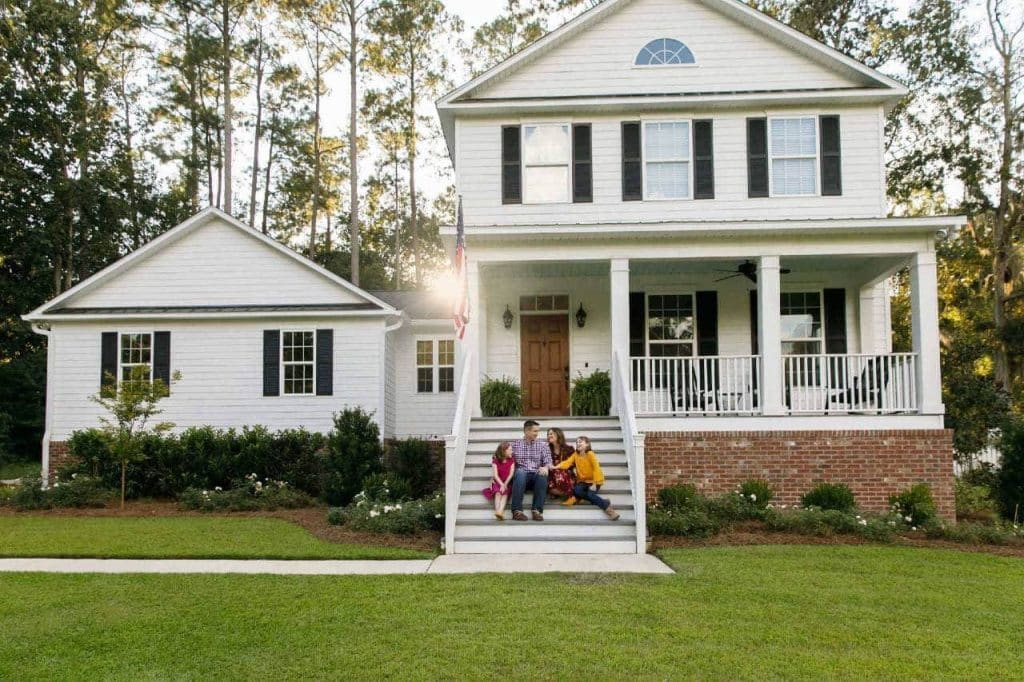
A home is considered underinsured when the insurance coverage isn’t enough to rebuild or repair it after a covered loss. This doesn’t mean the policy is missing, but that the homeowners’ insurance coverage falls short of real-world costs.
One common misconception is that a home’s market value equals its rebuild cost. In reality, those numbers can be very different. Market value includes land, location, and demand.
Rebuild cost focuses on materials, labor, and current construction pricing. Considering that construction costs have continued to rise in the wake of the COVID-19 pandemic and new tariffs, many homes may be insured well below what they would actually cost to rebuild today.
Don’t assume that a homeowner’s policy automatically adjusts as costs rise. Many policies don’t provide adequate coverage unless they’re reviewed and updated. That’s one reason underinsurance remains so common in residential insurance.
Why Underinsured Homeowners’ Policies Are Risky
When coverage limits don’t match today’s rebuild costs, homeowners can face serious financial exposure after a fire, storm, or total loss.
If a covered loss exceeds policy limits, the difference often comes out of pocket. That can mean paying for repairs yourself, scaling back rebuilding plans, or dealing with delays while decisions get sorted out.
Underinsurance also adds stress during an already difficult claims process. Questions about certain coverages, exclusions, or limits tend to surface at the worst possible time: after damage has already occurred.
Common Reasons Homeowners End Up Underinsured
There’s rarely a single cause. Most underinsured home insurance policies result from a mix of factors, including:
- Rising construction and labor costs
- Home improvements that weren’t added to the insurance policy
- Inflation outpacing coverage reviews
- Online or one-size-fits-all policy purchases
- Confusing policy language around what’s covered

Even things like upgraded cooling systems, detached structures, or added personal property can affect coverage needs if they’re not accounted for properly.
The Role of a Homeowners’ Insurance Broker
An insurance broker works differently from a captive agent, who represents only one carrier. Brokers work with multiple insurance companies and focus on finding coverage options that fit the homeowner, not a single product lineup.
A broker’s role is to advocate for the homeowner, not the insurance company. Whether you’re looking at homeowners insurance, condo insurance, flood insurance, or even bundling car insurance and health insurance with your home policy, the goal is to make sure everything actually fits your life.
How Brokers Evaluate Proper Homeowners’ Coverage
Avoiding underinsurance starts with asking better questions and reviewing details that often get overlooked.
A broker will typically review:
- Dwelling coverage limits based on rebuild cost, not market value
- Additional structures like garages or sheds
- Personal property limits
- Loss-of-use or additional living expenses coverage
- Liability coverage and exclusions
This kind of review helps identify gaps before they become expensive problems. It also clarifies what counts as a covered loss, including events like theft, fire damage, plumbing water damage, and certain weather-related risks.
Ongoing Home Insurance Policy Reviews and Adjustments
Home insurance isn’t a one-and-done decision. Homes change, costs change, and coverage needs to keep up.
Anytime you remodel, add on, or make a major purchase, it’s worth taking another look at your homeowners’ insurance. Even without big changes, inflation and rising construction costs can slowly push a policy out of sync with what it would actually take to rebuild your home.
That’s why a simple annual review goes a long way. It helps make sure your coverage still matches today’s rebuilding costs and gives you the financial protection you expect if something ever happens.
Claims Support and Advocacy
This is where having an insurance broker really carries weight.
Before anything happens, our team helps homeowners understand their insurance coverage so there aren’t surprises later. Then, if a claim does come up, you’re not left trying to decode policy language or figure things out on your own. You have someone who already knows your homeowners’ policy and can help answer questions as they arise.
Insurance isn’t just about having a policy on file. It’s about knowing how it works, especially when you need it most.
How Harvey Insurance Helps Homeowners Stay Properly Covered
At Harvey Insurance, we believe the simplest way to avoid those gaps is regular, honest conversations about your home insurance policy. That means reviewing coverage, asking questions, and making sure your homeowners’ insurance reflects current rebuilding costs, rather than numbers from years ago.
If you ever need a second set of eyes on your coverage, we’re here to help. We’re happy to walk through your homeowners’ insurance quote or review your existing policy, so you can feel entirely sure about what your homeowners’ insurance covers. Schedule a home insurance review with Harvey Insurance to make sure your coverage keeps pace with today’s rebuilding costs and your home’s true value.
