
The policy that fits your neighbor’s house may be wrong for yours. A single-family home, a condo, a rental property, and an older home each carry different risks, different coverage needs, and different price tags.
A one-size-fits-all home insurance policy leaves real gaps in every direction.
According to Insurify’s 2026 American Homeowner Report, the average annual home insurance cost will hit $3,057 by the end of 2026. Paying that much for the wrong coverage is the worst possible outcome. The right home insurance starts with the property itself, not a generic template.
In this post, you’ll learn:
- Why property type drives the best home insurance for your situation
- The coverage differences between single-family homes, condos, townhomes, and rentals
- The challenges that older homes face under standard homeowners’ insurance
- How to compare home insurance quotes and find affordable home insurance
Why Property Type Shapes Your Best Home Insurance Choice
Property type changes everything about home insurance. The right policy for a single-family home looks nothing like the right policy for a condo, and a rental property needs a different framework altogether. Standard homeowners’ insurance is not designed to cover all of those.
According to MoneyGeek’s 2026 state rankings, home insurance costs $3,548 per year nationally, with a $9,639 gap between the most and least expensive states. Property-specific risks drive much of that range.
Residential Property Insurance: Coverage Needs and Common Gaps
| Property Type | Key Coverage Need | Common Gap |
| Single-family home | Comprehensive dwelling + liability | Detached structure limits |
| Condo | HO-6 interior + improvements | Loss assessment shortfall |
| Townhome | HO-3 or HO-6, depending on the HOA | Shared wall coordination |
| Rental property | Landlord policy (DP-3) | Loss of rental income |
| Older home | Extended replacement cost | Outdated systems, code upgrades |
Coverage Gaps That Come From Property-Specific Risks
Every property type carries its own coverage gaps. Older homes face replacement cost shortfalls. Condos hit loss assessment limits. Rental properties leave landlords exposed when tenants damage the unit. A standard homeowners policy rarely addresses all of these.
The smartest move is to identify the gaps before signing the policy, not after a claim is denied.
How the Best Homeowners Insurance Companies Evaluate Different Property Types
The best homeowners’ insurance companies look at property age, construction, roof, square footage, and location risk when pricing a policy. Property type is the starting point. From there, the underwriter layers in dwelling coverage, liability coverage, and any add-on endorsements.
The best approach for homeowners is to match the policy to the property’s actual exposure. A cookie-cutter quote almost always misses something that matters.
Best Home Insurance for Single-Family Homes
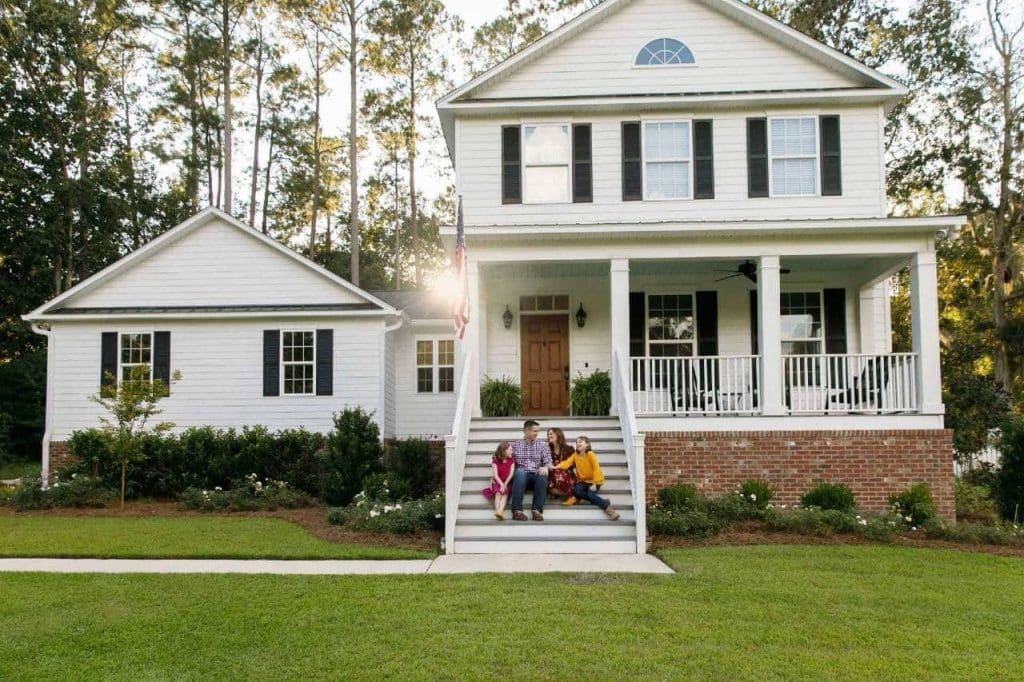
Single-family homes are the most common property type and require the most comprehensive coverage. The best home insurance for a standalone home protects the structure, contents, detached buildings, and the homeowner’s liability under a single, coordinated policy.
Dwelling Coverage and Replacement Cost Considerations
Dwelling coverage is the foundation of any single-family home policy. The dwelling coverage limit should reflect actual rebuilding costs, not market value. Policies based on old valuations leave homeowners short when disaster strikes.
Extended replacement cost coverage protects against that shortfall. It pays beyond the policy limits when rebuilding costs exceed the original dwelling coverage limit, often by 25 to 50 percent.
Detached Structures and Liability Coverage
Detached structures such as garages, sheds, fences, and pool houses fall under their own section of the policy. Standard policies cover detached structures at about 10 percent of the dwelling coverage. Properties with significant detached buildings often need extra coverage.
Liability coverage protects the homeowner if someone is injured on the property or if the homeowner causes damage to another person’s property. Standard policies start at $100,000 in liability coverage, but most experts recommend $300,000 to $500,000 for adequate protection.
Home Insurance for Condos and Townhomes

Condos and townhomes carry unique insurance needs that single-family policies do not address. The HOA master policy covers part of the property, and the owner’s individual policy covers the rest.
Understanding the line between the two is the difference between full protection and a costly gap.
HOA Master Policy and What You Insure Separately
The HOA master policy typically covers the building’s exterior, roof, common areas, and shared structures. What it does not cover is everything inside the unit, including walls, fixtures, flooring, and personal belongings. That is where the owner’s policy steps in.
A condo-specific HO-6 policy fills the gap. It covers interior improvements, personal property, liability, and the contents that the HOA master policy excludes. Townhomes vary by HOA agreement, with some closer to single-family policies and others closer to condo policies.
Loss Assessment Coverage and Interior Improvements
Loss assessment coverage protects condo owners against HOA special assessments after a major loss. If a covered event damages a common area and the HOA’s policy falls short, each owner is billed for their share. Loss assessment coverage, not the homeowner, absorbs that hit.
Interior improvements and betterments also matter. Upgraded countertops, custom flooring, and renovations added by the owner are usually not covered under the HOA master policy. The owner’s residential insurance has to account for those specifically.
Rental Property and Landlord Insurance Needs
Rental properties need landlord insurance, not standard homeowners insurance. The risks shift the moment someone other than the owner lives on the property. Tenant behavior, vacancy periods, and loss of rental income all change the equation.
Landlord Policy vs. Standard Homeowners Policy
A standard homeowners policy assumes the owner lives in the home. The moment a tenant moves in, that policy often becomes void or significantly limited. A landlord policy (typically a DP-3 dwelling policy) covers the property as a rental investment.
The landlord policy includes the dwelling, detached structures, liability for tenant-related claims, and the owner’s personal property left at the rental. It also covers the structure against perils similar to a standard homeowners insurance policy, but priced for the higher risk.
Loss of Rental Income and Tenant-Caused Damage
Loss of rental income coverage replaces the monthly rent if the property becomes uninhabitable after a covered loss. A fire, severe storm, or major water damage may take a rental offline for months. Without this coverage, the landlord loses the income while still paying the mortgage.
Tenant-caused damage is another consideration. Standard landlord policies cover sudden, accidental damage, but not intentional damage or normal wear and tear. Landlords often add extra coverage endorsements to address those situations directly.
Best Home Insurance for Older Homes

Older homes carry unique insurance challenges. The dated systems, original materials, and outdated wiring all factor into both pricing and coverage availability. The best home insurance for an older home addresses these specifics rather than treating it like a new build.
Extended Replacement Cost vs. Actual Cash Value
Replacement cost coverage pays the full cost to rebuild a home with similar materials. Actual cash value pays the depreciated value of the property at the time of loss, which is often far less. For older homes, the difference matters enormously.
Many insurers default older homes to actual cash value coverage to limit their exposure. Pushing for extended replacement-cost protection means specifically asking and proving that the home is well-maintained enough to qualify.
Updated Systems, Renovations, and Mitigation Strategies
Updated electrical, plumbing, and roofing systems significantly improve insurability for older homes. Insurance companies treat a home with knob-and-tube wiring or a 30-year-old roof very differently from one with current code upgrades. Documenting renovations is essential.
Mitigation strategies also lower premium prices. Modern smoke detectors, security systems, hurricane shutters, and updated heating all signal lower risk to the insurance company. Higher premiums on older homes are not always permanent. The right mitigation often brings them down.
Common Coverage Gaps and Flood Insurance Considerations
Even the best home insurance policy has exclusions. Knowing what is not covered is just as important as knowing what is. The most common coverage gaps across property types:
- Flood damage, which requires a separate flood insurance policy through the National Flood Insurance Program or a private carrier
- Earthquake damage is typically excluded from standard policies and offered through a separate endorsement
- Sewer and drain backup is often an add-on coverage rather than a default inclusion
- Mold and gradual water damage, which most policies exclude unless tied to a sudden covered loss
- Personal property limits on high-value items like jewelry, sports equipment, and electronics
- Building code upgrades required during repairs are often left to a separate ordinance and law endorsement
Flood insurance is the gap that catches the most homeowners off guard. The Federal Emergency Management Agency runs the National Flood Insurance Program for flood-prone areas, with private flood coverage filling in elsewhere.
Getting Accurate Home Insurance Quotes and Comparing the Best Home Insurance Companies
Accurate home insurance quotes start with accurate property details. The best home insurance companies use the same handful of factors to price coverage. Supplying complete information is the only way to compare quotes fairly.
Information You Need to Compare Home Insurance Quotes
To compare home insurance quotes, gather the property’s age, square footage, construction materials, roof type, and age, and current dwelling coverage limit. Past claims history matters too.
The same property should generate similar quotes when the inputs match. Wide variations usually mean incomplete information on one side.
How to Find Affordable Home Insurance and the Cheapest Home Insurance Without Coverage Gaps
The cheapest home insurance is rarely the best value. Affordable home insurance balances price with the coverage the property actually needs.
Look for loyalty discounts and bundled home and auto policies to lower premiums without dropping coverage. A good insurance agent helps identify which discounts apply.
Why an Experienced Insurance Agent Matters for Residential Insurance and Extra Coverage

An experienced agent matches the property to the right coverage, not the other way around. The best residential insurance policy on paper is worthless if it leaves the property exposed in the ways that matter. Local expertise and access to multiple carriers make the difference.
What an experienced insurance agent brings to a residential insurance search:
- A property-specific evaluation that identifies gaps before they become claims
- Access to multiple home insurance providers for true side-by-side comparisons
- Customized coverage recommendations matched to the property type and risk profile
- Extra coverage options for high-value items, flood damage, and sewer backup
- Guidance on extended replacement cost vs. actual cash value decisions
- Honest answers on what affects home insurance costs and where savings live
The right insurance agent saves homeowners money and exposure at the same time. A generic policy from a website rarely does both.
Get a Home Insurance Quote That Fits Your Property Type
The right home insurance starts with the right questions about the property itself. A single-family home, a condo, a townhome, a rental, and an older home all deserve coverage tailored to their respective characteristics. Generic policies leave generic gaps.
At Harvey Insurance, we work with homeowners across every property type to build coverage that actually fits. Our team compares multiple carriers, identifies the right balance of protection and price, and explains where the standard policy falls short for your specific situation.
Contact us today for a customized home insurance quote based on your property type and coverage needs. The right coverage protects your investment for a price that respects your budget.
