
Owning a home is usually the biggest investment someone can make, and a home insurance policy keeps that investment shielded.
Unfortunately, even the best standard homeowners’ insurance policy has its limitations. Valuable personal property or certain elements in your private residence could be underinsured.
In fact, 2025 estimates shared by United Policyholders indicate that nearly 75% of U.S. homeowners may be underinsured to some degree.
Home insurance riders (also known as “endorsements”) protect these potential blind spots and can make a major difference when unexpected damage occurs.
If you’re curious about these “endorsements” and which home insurance coverage options are truly worth the cost, this guide will break down what standard home insurance covers, common home insurance riders, and how to determine what’s worth it for you.
What Are Home Insurance Riders?
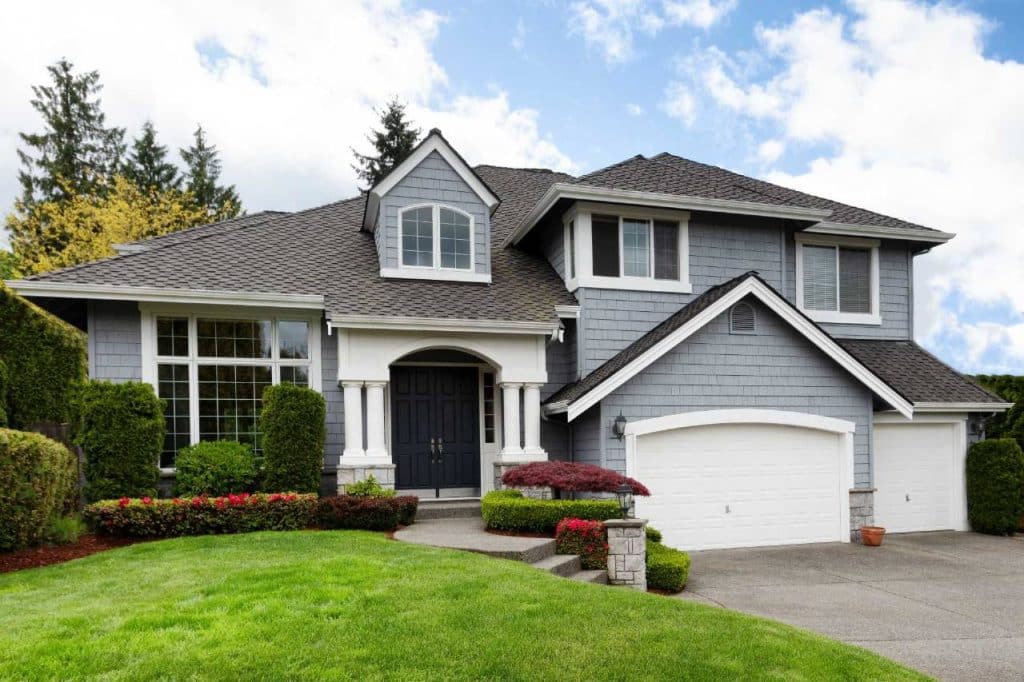
Home insurance riders are essentially add-ons that change your homeowners’ insurance coverage to provide more of a specified protection for items you consider high-value or a special risk. A typical homeowner’s policy includes fixed limits for dwelling, personal property, and liability coverage, but not every situation fits within that box.
For instance, your basic home insurance may only cover up to a few thousand dollars for jewelry. If your engagement ring alone exceeds that, a scheduled personal endorsement ensures that you will be reimbursed for its full replacement value after a covered loss, such as theft or fire.
In other words, riders allow you to tweak your insurance policy to match your real life, not just the more ambiguous nature of a standard home insurance policy
What Standard Home Insurance Typically Covers
For the most part, homeowners’ insurance policies provide four primary types of insurance coverage that you need to be aware of.
(1) Dwelling Coverage
Dwelling coverage is basically what it sounds like: protection for your home’s structure, including the building materials, roofing, and any attached systems, like the air conditioning unit outside, propane tanks, etc.
(2) Personal Property Insurance
Personal property insurance covers your personal belongings, like furniture, clothing, and other personal items, against common risks. These risks include fires, theft, and some natural disasters.
(3) Liability Coverage and Personal Liability Coverage
Liability and personal liability provide financial protection if someone is injured on your property or if you accidentally cause damage to your neighbor’s property. For instance, if you cut down a tree on your property, misjudge the fall area, and it lands on your neighbor’s shed, liability coverage is there for that.
(4) Additional Living Expenses
Additional living expenses cover things like temporary housing and meals if ongoing repairs make your actual home unlivable for the time being.
However, base policies often exclude things we don’t always consider, like flood insurance, equipment breakdowns, or water backup damage. In fact, wind alone accounted for the largest share of all claims filed from 2019 to 2023.
This is where options that go beyond standard limits become useful and worth considering.
Why Homeowners Consider Additional Coverage
It’s not just about covering a diamond ring, an antique china set, or a particularly valuable signed baseball card. There are several reasons a homeowner might consider opting for additional insurance coverage.

High-Value Personal Property
This is where the collectibles, antiques, and jewelry come into play. These items typically exceed your base personal property insurance limitation.
Home-Based Business
Let’s say you recently launched a home-based business, ready to try your hand at freelance, contractor-based web design, or as an editor. Over time, you’ll accrue additional equipment and valuable paperwork that hold value, and you need to make sure they are protected as well.
Expensive Home Systems
You have expensive hardware in your home, including smart appliances, a state-of-the-art HVAC system, and/or a Tesla Powerwall, all of which could benefit from equipment breakdown coverage.
Extreme Weather Areas
If you live in a location that’s prone to extreme weather events, like the coast of Florida, Tornado Valley, or earthquake-prone areas out west, these increase your exposure to risks because they aren’t always covered under basic property insurance.
The right combination of riders will ensure you’re adequately protected without overpaying for coverage you don’t necessarily need.
Common Home Insurance Riders Explained
There are several home insurance riders available for you to pursue, some more popular than others. But what does each actually cover?
Scheduled Personal Property Coverage
This endorsement increases coverage for specific high-value personal property, such as the unique or collectible items mentioned above. Scheduling them makes sure each item is covered for its replacement cost, not just the limit imposed on your homeowners’ insurance. You’ll often need a current tax assessment or appraisal to verify the value of these items.
Equipment Breakdown Coverage
This rider protects major home systems like electrical panels, appliances, and heating or cooling systems from sudden mechanical or electrical failure. It’s different from basic “wear and tear” coverage.

If your refrigerator’s compressor fails suddenly, equipment breakdown coverage will help cover it without paying out of pocket for a costly replacement.
Water Backup Coverage
Not all home insurance policies include water or sewage backup damage. This rider adds coverage for sump pump failures or drain backups that might otherwise come out of pocket. Since water damage can cost thousands in repairs, this endorsement often pays for itself in a single claim.
Extended Replacement Cost Coverage
With construction and building materials becoming more expensive, rebuilding your home today often costs more than your estimated replacement cost when you first purchased insurance.
This rider will increase your coverage beyond your stated replacement cost, usually by 10% to 20%, accounting for increases in construction costs or inflation after a covered loss.
Home Business Endorsements
Traditional homeowners’ insurance coverage excludes business activities. However, a home business endorsement adds limited insurance coverage for business property, electronics, or liability limits related to business operations on-site. This is an essential add-on for side hustles, freelancers, or anyone who stores business inventory at home.
How to Determine What Coverage is Actually Worth It?
Every homeowner’s needs are different, and choosing the right riders requires some time to sit down and evaluate everything.
- The total value of your personal property and how much coverage your base policy provides
- Local location risks, such as flood zones or wildfire exposure
- The trade-off between premiums and deductibles
- Whether or not your upgrades or remodels increased your replacement cost
It’s a simple cost-benefit analysis with your insurance agent, and it will help you understand how much coverage is necessary for your home’s value and your own comfort level.
When Riders May Not Be Necessary
There are exceptions to every rule, and adding endorsements only makes sense when the risk outweighs the cost. For example, if you don’t own expensive artwork or your tech devices fall below your deductible, extra coverage options simply won’t provide any value.

Some insurance companies already include extended protection within their home insurance coverage, so you may double-up when it’s completely unnecessary to do so. Review your insurance policy carefully to avoid paying for overlapping insurance products.
The Role of an Insurance Broker
Working through the ins and outs of home insurance can be confusing, especially to the uninitiated. However, an independent insurance broker can simplify the entire process.
Unlike captive agents tied to a single insurance company, brokers compare home insurance quotes from multiple carriers to find flexible coverage options at competitive rates. They evaluate your property damage risks, home systems, and valuables to identify any coverage gaps. This way, you will get adequate coverage without accidentally overdoing it.
Harvey Insurance, for instance, specializes in helping homeowners assemble a package policy that may pair home and auto insurance for greater savings and homeowners’ insurance discounts.
Reviewing Your Home Insurance Policy Regularly
Even the best home insurance policies aren’t “all-encompassing” products. Major life changes, such as renovations, new valuables, or system upgrades (things that are changing all the time, every year of our lives), can change your insurance coverage needs.
Schedule an annual home inspection or policy review to confirm that your replacement cost and actual cash value coordinate with the reality of your situation. Things like inflation, local construction costs, and new insurance coverage options can all impact your home insurance policy over time.
Final Guidance: Only Pay for What You Need
Not every rider is an essential, must-have option, and unnecessary endorsements will inflate your premiums for no good reason. The goal is to protect your home and personal belongings with practical insurance coverage and decisions.
If you’re uncertain which home insurance riders make the most sense for your home or lifestyle, connect with a licensed agent to learn more about the specifics of your home insurance needs. Book a home insurance policy review with Harvey Insurance to find out which riders provide the right balance of coverage, cost, and peace of mind.
